
Step-by-Step Guide to Finding Vehicle Leaks
페이지 정보
작성자 Leon 댓글 0건 조회 0회 작성일 26-02-26 13:52본문
Performing a simple leak test on your vehicle is a smart preventive measure to avoid expensive fixes. Find a clean, even spot like a paved driveway or workshop floor and let the vehicle sit for a few hours or overnight so drips accumulate enough to be noticed. Check the area under your car first thing in the morning for signs of fluid accumulation.
Common fluids you might see include clear water from the air conditioner, which is normal or brightly hued fluids such as reddish transmission oil or dark brown gear fluid. coolant that appears neon green, fluorescent orange, or blue or deep brown or jet-black motor oil.
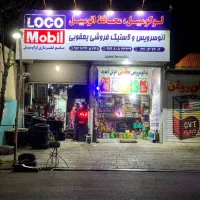
Move on to inspecting the engine bay. Open the hood and inspect the areas around the engine, radiator, hoses, and oil pan. Scan for damp patches, اتوسرویس داوود slow seepage, or oily streaks suggesting fluid escape. Pay attention to the color and consistency of the fluid. Motor oil is heavy, sticky, and usually black or dark brown. Antifreeze is vividly tinted and has a faintly tacky feel. Brake fluid appears transparent or pale amber and feels slick to the touch.
Check your fluid levels using the dipsticks and reservoirs under the hood. If levels of oil, coolant, or brake fluid have dropped significantly after a recent top-up that’s a sign you might have a leak. Recheck the pavement under your vehicle after a brief drive. Fluid seepage may only occur once components expand due to heat and operational stress.
When the leak is elusive or faint, you can sprinkle non-toxic powder like cornstarch or flour. Apply a thin layer near the oil filter, transmission seals, or radiator fittings. After a short test run of the engine come back and inspect for displaced powder or colored marks. It reveals the precise location of the leak.
If you find a leak, don’t ignore it. What seems insignificant today can cause major breakdowns tomorrow. Tiny leaks can often be fixed by securing a loose clamp or swapping out a degraded seal. When the extent of the leak is unclear or appears severe it’s advisable to seek professional repair services. Routine inspections help avoid costly repairs. Prevent breakdowns. Extend the safe, efficient life of your vehicle.
- 이전글Why a Clean Car Battery Matters 26.02.26
- 다음글The Surprising Link Between Tire Rotation and MPG 26.02.26
